Classic Slot Reel Mapping Basics
Every old-school slot machine is a mechanical lie detector, and the reel mapping is the polygraph strip nobody bothers to read. Strip the glass off any vintage three-reel unit and you will find twenty-two physical stops per reel, not ten, not twenty, but twenty-two — a number chosen by engineers who understood that blank real estate is the cheapest house edge ever manufactured. That physical strip, the Classic Slot Reel Mapping layout, is the entire mathematical skeleton of the game, and it has been quietly copied into virtual reels for decades.
The Twenty-Two Stop Religion
Twenty-two stops per reel gives you 10,648 possible combinations on a three-reel machine (22 x 22 x 22). That is the foundation number every old-school slot guide should tattoo on its forehead. Symbols are not distributed evenly — a single jackpot symbol might appear once per reel while a low-value cherry shows up five or six times. The probability of hitting the top award is therefore 1 in 10,648, not 1 in 1,000. Anyone who claims otherwise has never counted physical stops on a Bally electromechanical chassis. The blanks matter more than the symbols; they are paid-for dead air, and the layout is engineered so that near-misses cluster around the payline. 😤
Virtual Reel Mapping Is Not Random
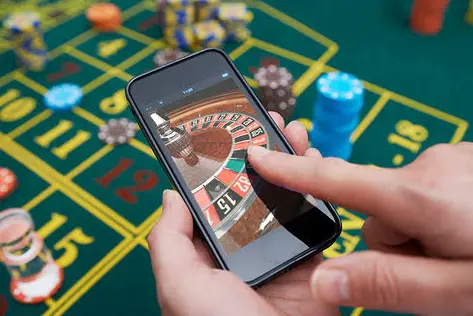
Modern video slots use virtual reel mapping, where a random number generator selects from a weighted table of hundreds of virtual stops that map down to the twenty-two physical positions on screen. The visible reel is theater; the real mapping lives in the RNG lookup table. This is why two machines with identical glass artwork can carry wildly different return percentages — the virtual strip behind the display decides everything. Old-school guides that tell you to "watch the reel spin" are handing you a placebo. The spin animation is a rendered flourish, and the outcome was locked the millisecond the RNG fired.
Reading the Strip Like a Technician
Pull the PAR sheet for any legacy title and you will see the reel strip laid out symbol by symbol. Count the jackpot symbols across all three strips, multiply the counts, divide into 10,648, and you have the hit frequency for the top prize. That is the only honest math in the building. Everything else — the lights, the sound package, the "hot machine" folklore — is psychological dressing. A machine that shows three jackpot symbols on the payline but only carries one of each on the physical strip is a 1-in-10,648 prayer, and the strip does not care how long you have been feeding it. 🎰
Why the Mapping Still Matters Today
Every time a developer ports a classic title to a digital cabinet, they inherit the twenty-two-stop convention whether they know it or not, because players expect the visual rhythm of three reels and the familiar symbol cadence. But the ported virtual strip often doubles the jackpot weighting to sweeten the demo, which means the "classic" you are playing is a remapped ghost wearing vintage clothing. If you want the real old-school experience, you need the original PAR documentation and a strip count done by hand. Anything less is guessing at a machine that was designed to make guessing expensive. 💀
The strip count never lies, and the twenty-two stops per reel remain the single most reliable number in the entire legacy slot ecosystem.