The Bonus Engine Runs on Loss Data, Not Luck
Your account balance just hit zero, and within hours a fresh bonus offer lands in your inbox. That is not generosity. That is a retention trigger firing in real time, and it was engineered long before you ever signed up. US casino operators run behavioral scoring models that classify you the moment your deposit balance crosses a threshold, and the losing session is the single most profitable data point in their entire player lifecycle database.
The mechanics are brutally simple. Every wager, every near-miss, every session length and every tilt pattern gets logged into a player profile. When your account dips below a predefined loss band, the system tags you as a high-churn-risk asset. A bonus is cheaper than acquiring a new depositor, so the math says send you a reload offer before you cool off and walk away forever.
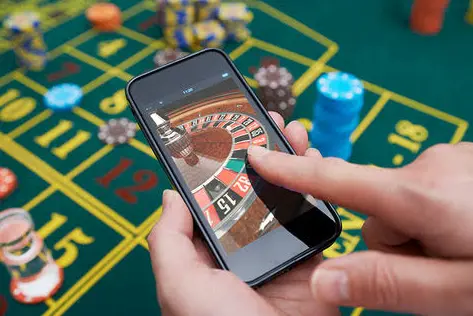
The Churn Probability Model Behind Every Offer
Operators assign each player a churn probability score, often recalculated hourly. Lose a chunk, and that score spikes. The bonus offer you receive is calibrated against that score, not against your loyalty. A player with a 70% churn probability gets a fatter offer than a grinder who never stops. It is pure actuarial logic dressed up as a reward.
Here is the part most players never see. Bonus terms are set to convert your loss into locked wagering volume. A 100% match with a 30x playthrough means you must cycle 30 times the bonus amount before withdrawal. The house edge grinds that volume down, and the expected value of the offer is engineered to stay positive for the operator even after a small percentage of players clear it.
The trigger timing matters more than the amount. Send a bonus too early and the player feels managed. Send it within the emotional window right after a loss, and reactivation rates jump dramatically. That window is measured in hours, and the automation never sleeps. 🎰
Segment Codes and the Loss-Stacking Playbook
Behind the scenes, your profile carries segment codes like "post-loss high-value" or "rapid-depletion repeat." These codes route you into automated campaigns that stack offers across email, SMS, and in-app popups. The system does not care whether you are having fun. It cares whether your loss pattern predicts another deposit.
Responsible-gambling flags exist in the same stack, but they run on separate rails. A player who loses fast enough to trigger a bonus almost never triggers a cooling-off flag at the same time, because the thresholds are tuned independently. That gap is where the loss-stacking playbook lives, and it is deliberate, not accidental.

Why the Offer Never Matches Your Actual Loss
Notice that the bonus value almost never equals what you dropped. That is not oversight. Operators cap reactivation offers well below session losses to preserve margin. The offer is a nudge, not a refund. It exists to restart the wagering cycle, and the playthrough requirement guarantees the house keeps its edge on the recycled funds.
The final layer is frequency capping. Send too many offers and the player learns to wait for the next one, which trains behavior that destroys lifetime value. So the engine spaces triggers using decay curves, escalating the offer only when your session activity flatlines. Every number in that email was computed from your own behavior data, and the model updates the moment you log back in.