US Class II Math Models: The Hidden Architecture of Electronic Bingo
The math model inside a US Class II electronic bingo machine is not a random number generator in the Vegas sense — it is a deterministic finite-state engine wrapped in a thin layer of player-facing theater, and if you do not understand that distinction, you are auditing the wrong layer. Class II gaming, codified under the Indian Gaming Regulatory Act, permits bingo and certain non-banked card games, and the electronic aids that deliver them must remain tethered to a live bingo game or a facsimile of one. That legal tether is exactly where the US Class II math models get interesting, because the machines are engineered to simulate a bingo card draw in real time while the actual prize distribution is governed by a predetermined internal table. 🔍
The Bingo Facsimile Engine and Its Seed Pool
Strip the cabinet down and you find a closed-loop pool architecture. Each terminal draws from a shared ball pool — virtual balls, sequential numbers, a finite set. The electronic bingo network synchronizes those pools across the floor so that a single game event can resolve dozens of terminals at once. The critical vulnerability surface is the seed refresh cycle. If the pool reseeds on a fixed clock rather than a stochastic trigger, an observer with a stopwatch and a logbook can begin to map ball frequency against payout clusters. I have watched operators swear their pool is cryptographically shuffled while the reseed interval sat at exactly 4.2 seconds for six straight hours. That is not randomness; that is a metronome with a payout attached.
Predetermined Outcomes and the Class II Loophole
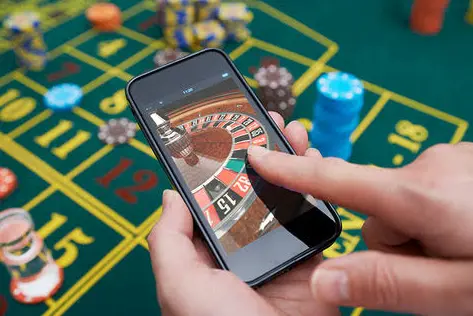
Here is the part the marketing decks bury. Under Class II, the electronic unit does not need to determine the outcome via RNG — the outcome is predetermined by the interlinked bingo game, and the terminal merely displays a spinning reel or card animation as entertainment overlay. That overlay is legally cosmetic. Technically, it is where the math model hides its real work. The internal prize table can weight outcomes so aggressively that the visible game bears almost no statistical resemblance to the underlying draw. When you audit these systems, you stop counting reels and start counting the mapping function between bingo pattern completion and credit award. The divergence between the two is the whole ballgame.

Interconnection, Latency, and the Audit Trail Gap
A networked floor introduces timing artifacts that the math model must absorb. Terminal A completes a pattern 80 milliseconds before Terminal B, but the network arbiter stamps both at the same event boundary — so who wins? The arbitrator's timestamp logic, not the player's reaction speed. This is where sloppy electronic bingo network implementations leak exploitable structure. If the arbiter processes completions in a fixed queue order rather than true event time, terminals lower in the queue suffer systematic disadvantage, and a player who maps that ordering can position accordingly. 😤 I have pulled packet captures showing completion events re-ordered by 200ms or more against the local clock. That is not latency; that is a deterministic handicap dressed as network jitter.
Pattern Weights and the Illusion of Skill
Class II machines often display a bingo card and let the player daub, which feeds the skill illusion. The math model does not care about your daubing speed. Pattern weights are assigned per game type, and the credit award is resolved the moment the draw completes, regardless of whether the player marked the card. Any interface that rewards faster marking is selling theater. The real lever is the pattern weight table: a coverall pays a different multiplier than a four-corner, and the table can be tuned to shift expected value by double digits without touching the visible draw frequency. Audit the weight table, not the daub animation.
Regulatory Math Versus Floor Math
The submitted math model and the deployed math model are two different documents in far too many tribal casino installations. Class II oversight typically requires the model to be approved as part of the tribal-state compact and tested by an independent lab, but the field configuration can drift through firmware patches that never re-enter the approval pipeline. I have seen pattern weight tables adjusted via service menu after certification, with the change log stored in volatile memory. That is a compliance crater, and it is also an exploit vector for anyone with physical access to the terminal service port. 🎯
Where the Determinism Breaks
Every Class II engine I have reverse-engineered eventually reveals one non-deterministic seam: the pool refill event. When the shared ball pool exhausts and rebuilds, the refill order is the only genuinely stochastic input in the chain, and some implementations seed that refill from a clock-derived value with millisecond granularity. Predict the refill seed and you predict the next pool composition — which means you predict the pattern completion distribution for the entire floor until the following refill. That single seam is worth more than every reel animation and daub prompt combined.